Creating Inclusive Spaces in Dance Education
In the realm of dance education, fostering an inclusive environment is crucial for the growth and success of all participants. This article explores evidence-based strategies for creating inclusive spaces that cater to diverse individuals, using structured coaching and community events.
Understanding Inclusion in Dance Education
Inclusion in dance education refers to the practice of ensuring that everyone, regardless of their background, abilities, or experiences, can participate and benefit from dance programs. According to the Dance Education National Standards, an inclusive environment is not just beneficial but essential for enhancing creativity and personal expression among dancers.
"Inclusive practices in dance education can lead to increased participation and a sense of belonging among students." - Experts in the field
Principles of Creating Inclusive Spaces
To establish inclusive dance education spaces, consider the following principles:
- Accessibility: Ensure that facilities and resources are accessible to individuals with disabilities. This may involve physical adaptations or providing resources in multiple formats. Studies suggest that making spaces more accessible can increase participation by up to 40%.
- Curriculum Adaptation: Tailor curricula to meet the diverse needs of participants. Research indicates that incorporating a variety of dance styles can engage different audiences, making classes more enjoyable and enriching.
- Open Communication: Foster an environment where participants feel comfortable sharing their needs and experiences. Experts recommend regular feedback sessions to understand and address issues within the dance community.
Practical Strategies for Implementation
Implementing inclusive practices in dance requires a thoughtful approach:
- Training for Educators: Provide training for dance educators on inclusive teaching methods. This often involves workshops and ongoing professional development, which typically takes place over several weeks.
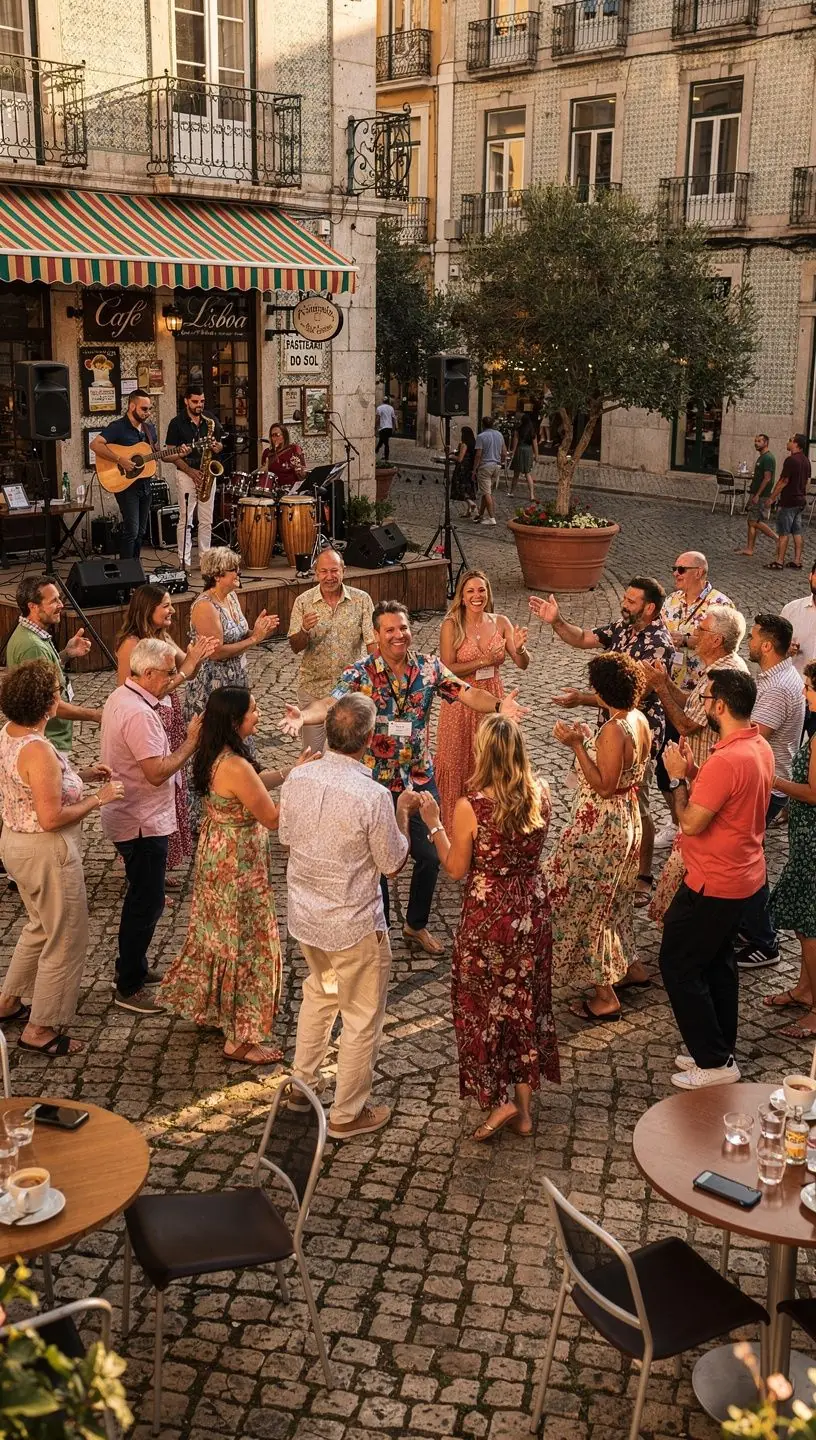
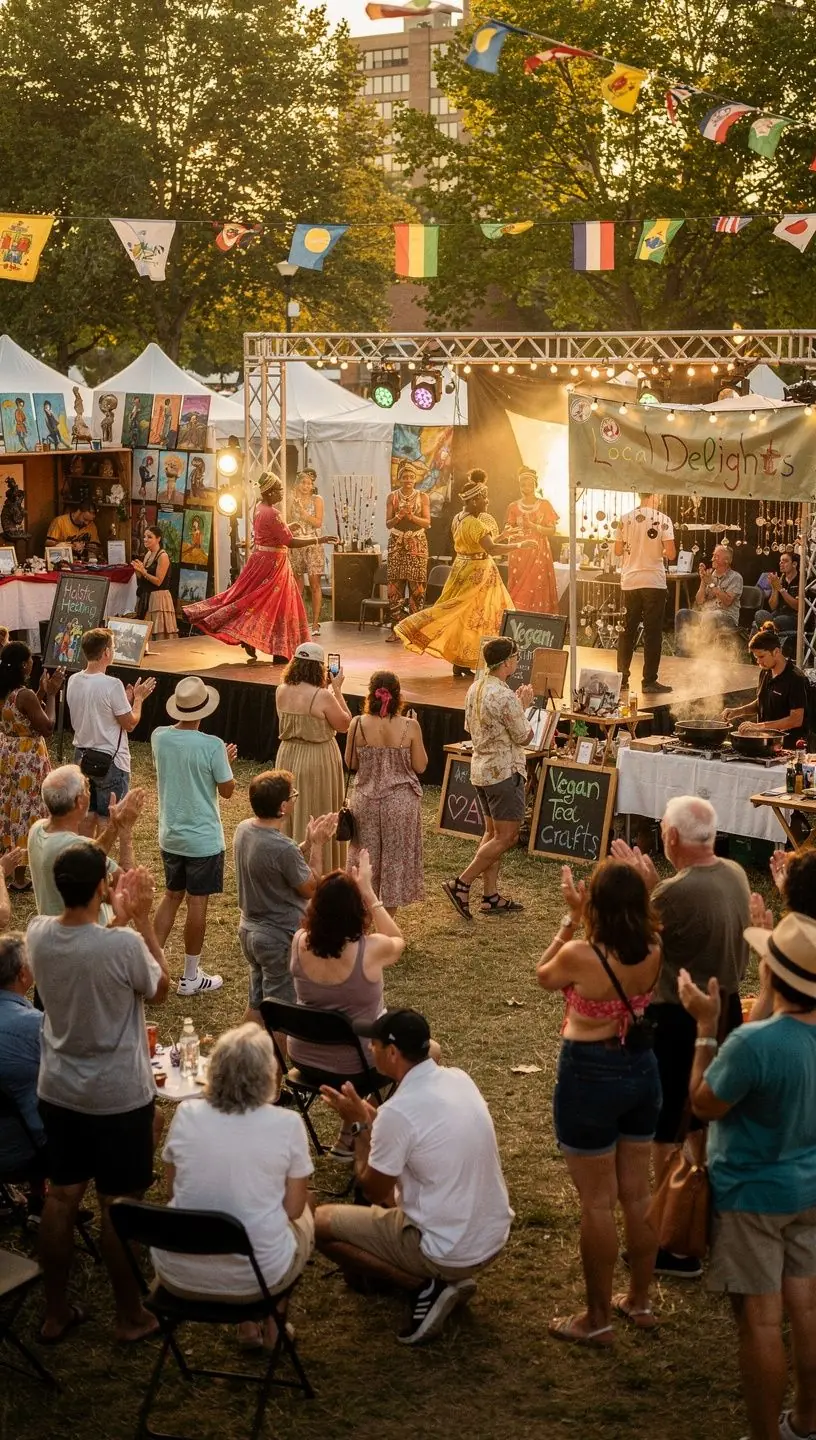
- Community Engagement: Organize community events that promote social interaction among dancers. Dance-based social networking events can help build connections and foster a sense of community.
- Feedback Mechanisms: Establish clear channels for participants to provide feedback on their experiences. This can help identify barriers that may not be immediately visible to instructors.
Challenges and Realistic Expectations
While creating inclusive spaces is essential, it's important to acknowledge the challenges involved:
- Implementing these strategies typically requires time and resources, as well as a commitment to continuous improvement.
- Some participants may need additional support, which requires educators to be adaptable and patient.
- Not all approaches will work for every group, so it’s crucial to tailor strategies based on the unique needs of each community.
Conclusion
Creating inclusive spaces in dance education is not just a matter of policy; it is a commitment to fostering a rich, diverse, and supportive learning environment. By implementing structured coaching, adapting curricula, and engaging with the community, educators can create an inclusive culture that benefits all. Remember, the journey may have its challenges, but the potential rewards in terms of personal growth and community connection are profound.
Learn More