Practical Steps to Organizing Dance-Based Events
Organizing dance-based events can be a rewarding experience that fosters community and creativity. In this article, we will explore practical steps you can take to host successful dance events that not only engage participants but also build lasting connections.
Understanding the Basics of Dance Events
The foundation of a successful dance event lies in understanding your audience and their preferences. Research indicates that tailored experiences often result in higher levels of satisfaction among participants. Therefore, knowing the demographics, skill levels, and interests of your audience is crucial.
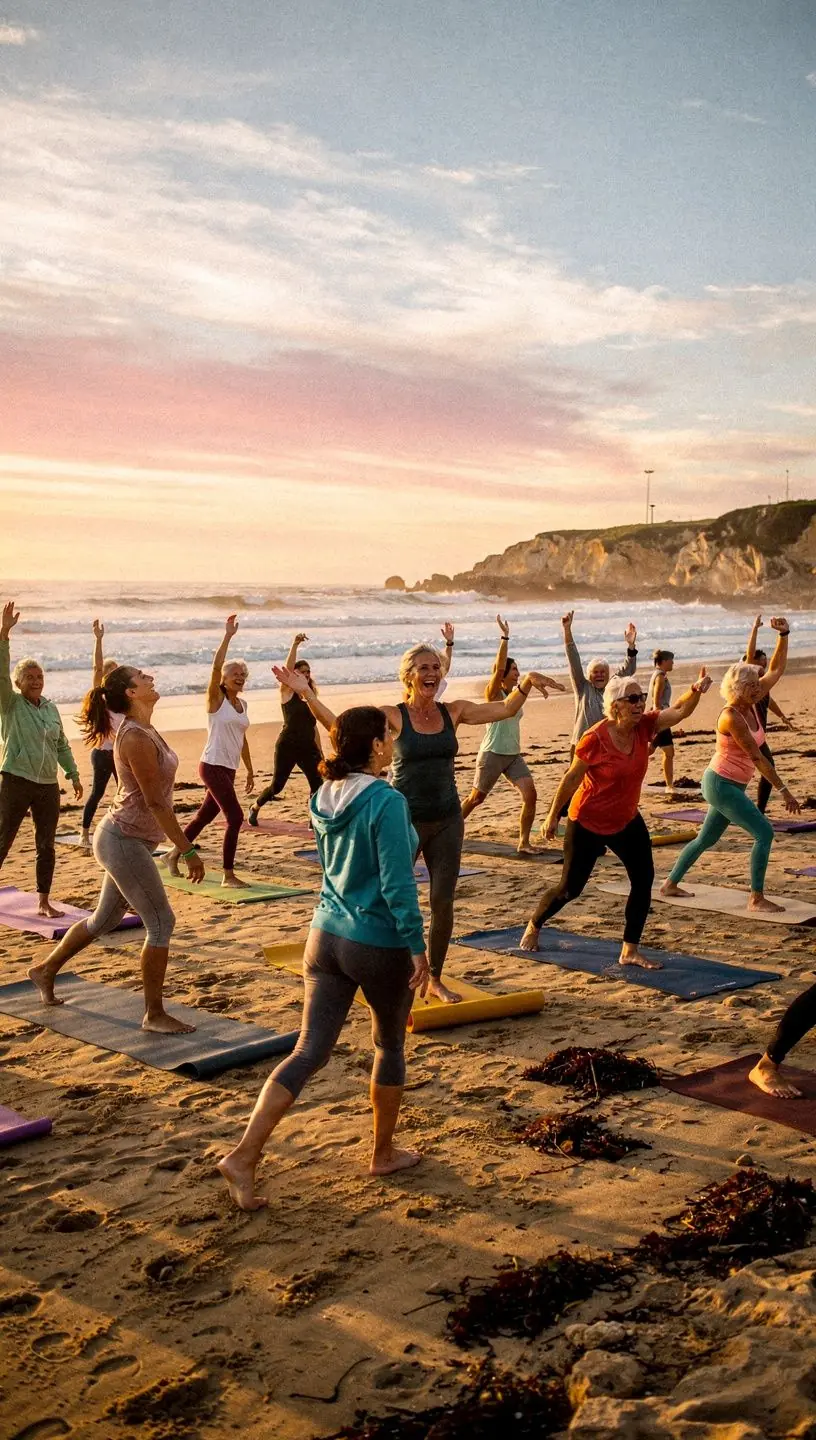
"According to dance community experts, understanding your audience can significantly enhance engagement and participation." - Dance Community Insights
Step-by-Step Guide to Organizing Your Dance Event
1. Define Your Objectives
Start by clearly defining what you want to achieve. Are you aiming to promote a specific style of dance, increase community engagement, or raise funds for a cause? Setting clear objectives can guide your planning process and help measure success after the event.
2. Choose the Right Venue
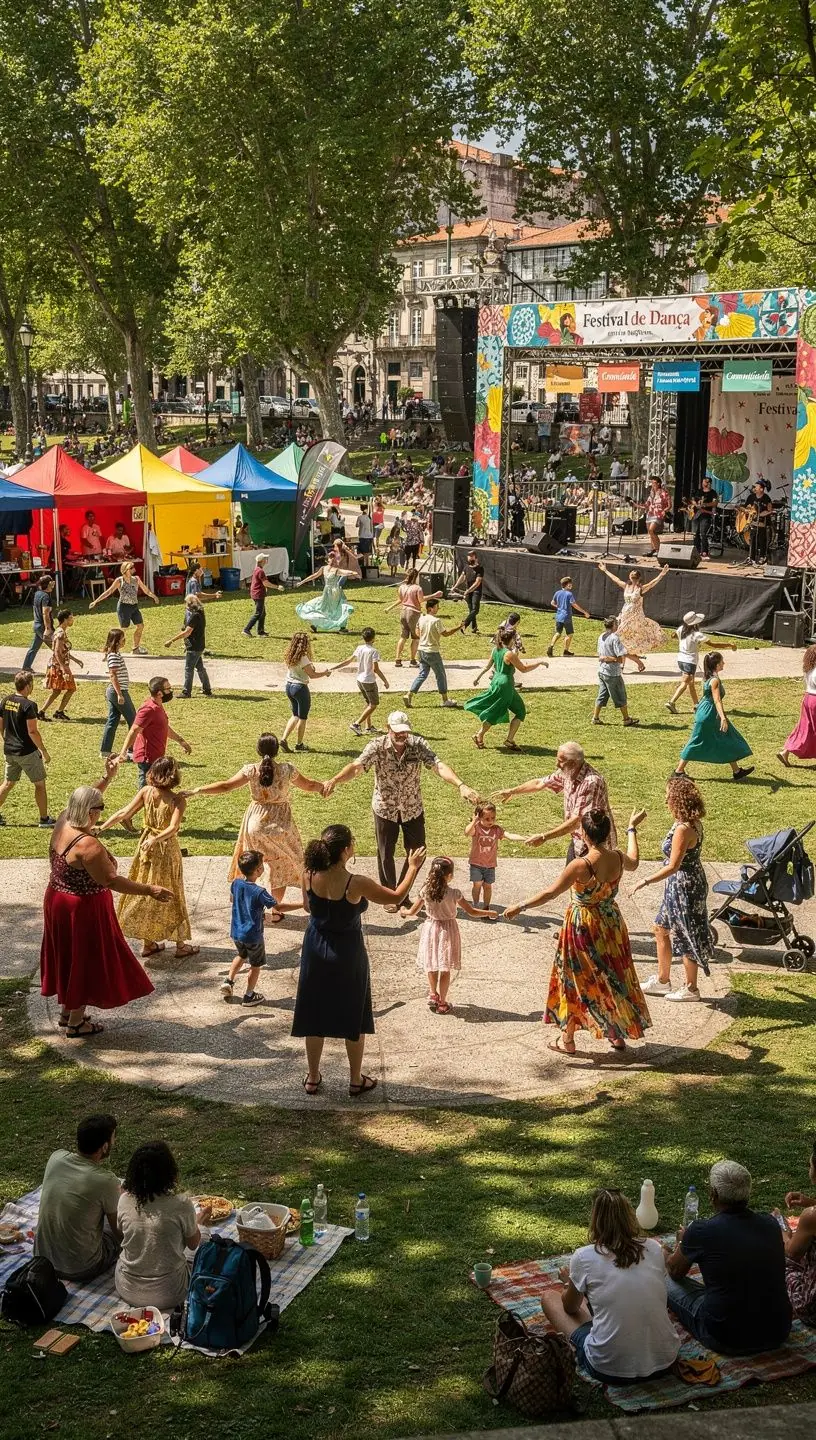
The venue can significantly impact the success of your event. Consider factors such as location, capacity, accessibility, and atmosphere. According to industry standards, a space that accommodates about 150-200 people is often suitable for social dance events, providing a balance between intimacy and vibrancy.
3. Plan Your Schedule
Creating a structured schedule can help manage the flow of the event. Incorporate elements like warm-ups, dance sessions, and breaks. Studies show that a well-structured program can enhance participant satisfaction and retention.
4. Promote Your Event
Utilize social media platforms, local dance schools, and community boards to spread the word. Many organizers find that creating an event page on platforms like Facebook can effectively increase visibility. Research suggests that targeted advertisements can also enhance attendance, especially in local communities.
5. Gather Feedback
Post-event feedback is invaluable for improving future events. Consider using surveys or informal discussions to gather insights from participants. According to experts, analyzing feedback can lead to actionable improvements that may increase retention rates for future events.
Building a Dance Community
Successful dance events often lead to the creation of a supportive community. Engaging attendees in follow-up activities, such as regular classes or social meet-ups, can foster lasting connections. Studies indicate that communities built around shared interests, such as dance, often exhibit increased loyalty and participation.
Conclusion
Organizing dance-based events requires thoughtful planning and a clear understanding of your audience's needs. By following these practical steps, you can create an engaging and memorable experience for participants. Remember to evaluate your objectives regularly, gather feedback, and nurture the community you build through your events. With dedication and attention to detail, your dance initiatives can thrive and contribute positively to the local cultural landscape.