The Impact of Dance on Mental Health and Wellbeing
Dance is not just a form of artistic expression; it also plays a significant role in enhancing mental health and overall wellbeing. This article explores the various ways dance can positively impact mental health and the science behind these benefits.
Understanding the Connection Between Dance and Mental Health
According to numerous studies, engaging in dance can lead to improvements in mental health. Research indicates that physical activity, including dance, is associated with lower levels of stress and anxiety. This is primarily because physical movement prompts the release of endorphins, often referred to as "feel-good" hormones, which can elevate mood and reduce feelings of depression.

"Dance is an expression of both body and mind, allowing individuals to communicate emotions they may find difficult to articulate."
The Psychological Benefits of Dance
Engaging in dance provides various psychological benefits that contribute to improved mental health:
- Stress Reduction: Many users report a noticeable decrease in stress levels after participating in dance classes, which can serve as a form of meditation through movement.
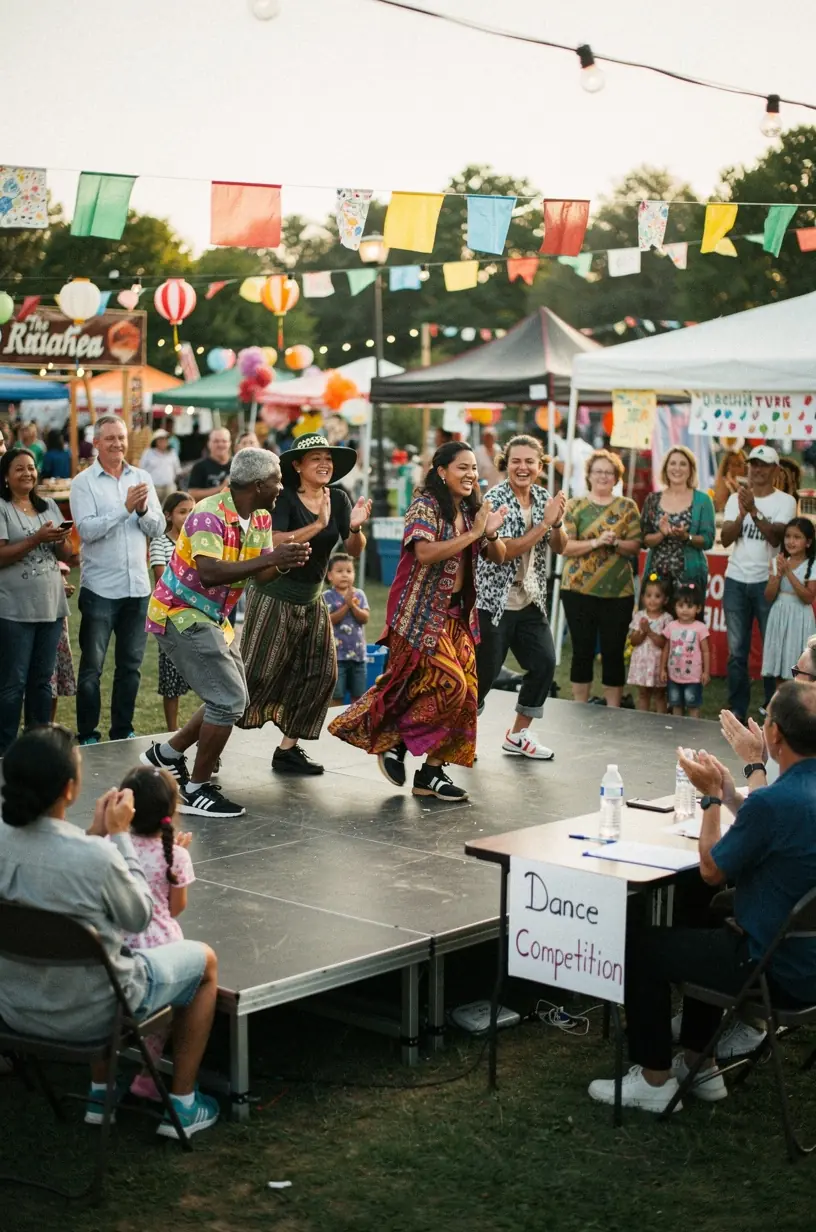
- Improved Social Connections: Dance often involves group participation, fostering a sense of community and belonging, which is crucial for emotional support.
- Enhanced Cognitive Function: Learning dance routines can enhance memory and cognitive skills. Studies show that individuals who frequently engage in dance demonstrate better mental flexibility and quicker decision-making abilities.
How Dance Works as a Therapeutic Tool
The principle behind dance therapy is based on the concept that body movement can influence emotional states. Experts recommend structured dance programs for individuals struggling with mental health issues. These programs not only focus on physical movement but also on emotional expression and social interaction.
Typically, dance therapy sessions involve:
- Warm-up exercises: These prepare the body for movement and help participants focus their minds.
- Choreographed routines: Engaging in these routines helps participants express feelings and improve their mood.
- Group discussions: Following the activity, discussions can foster a sense of community and provide emotional release.
Challenges and Considerations
While dance can be a powerful tool for mental health improvement, it is essential to acknowledge that:
- It typically takes time to experience significant benefits, with many individuals noticing improvements within a few weeks of consistent practice.
- Some may find it challenging to engage in dance due to physical limitations or lack of confidence, which might require gradual exposure.
- Dance may not be suitable for everyone; individuals with certain mental health conditions may require a more tailored approach.
Conclusion
In summary, dance can be an effective approach to enhancing mental health and wellbeing. By fostering emotional expression, social connections, and physical activity, dance offers a holistic method to improve mental health. It is beneficial to consider incorporating dance into routine activities or participating in structured programs to maximize these potential benefits. As with any method, individual experiences may vary, and it's important to find a suitable approach that works best for you.