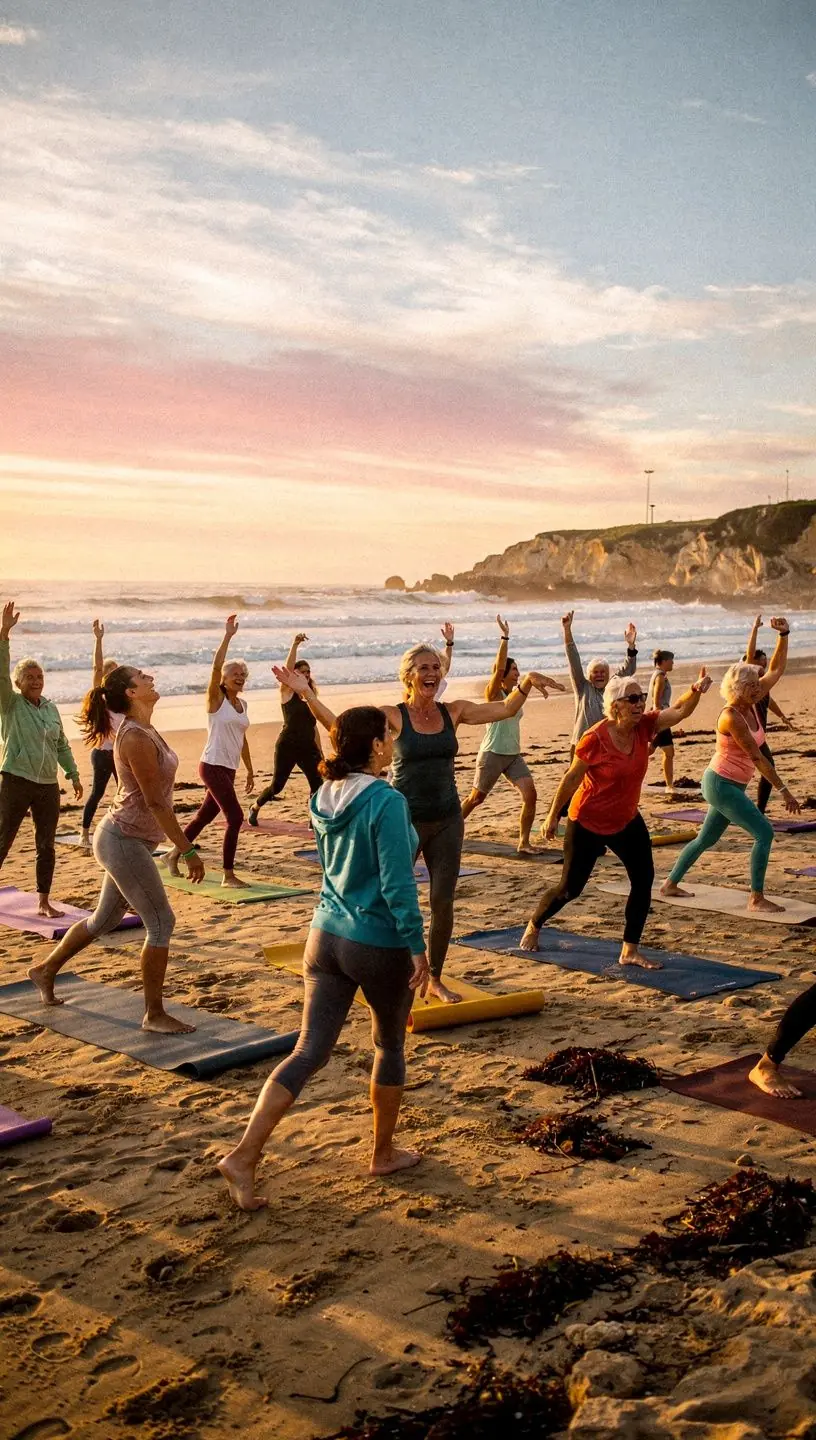
Exploring the Benefits of Offline Dance Events
In an increasingly digital world, offline dance events offer unique opportunities for personal growth, social interaction, and community building. This article examines the various benefits of participating in these events, particularly within the context of structured coaching and social networking.
Understanding the Importance of Offline Interaction
According to research, human interaction plays a crucial role in our emotional and mental well-being. Experts suggest that engaging in face-to-face activities can often foster deeper connections than online interactions. Dance events serve as a structured environment where individuals can connect through movement, which is particularly beneficial in building rapport and trust.

"Social dance events create a unique space for community connection, boosting both personal and emotional development." - Dance Research Journal
Benefits of Attending Offline Dance Events
- Enhanced Social Skills: Regular participation in dance events can help individuals improve their communication and social skills. Learning to read body language and responding to non-verbal cues is effective in enhancing interpersonal interactions.
- Physical Health Improvements: Engaging in dance is not only enjoyable but also a physical activity that can improve cardiovascular health. According to studies, dancing can increase stamina and flexibility, contributing to overall fitness.
- Emotional Well-Being: Many participants report feeling happier and less stressed after attending dance events. The act of dancing releases endorphins, often referred to as "feel-good hormones," which can improve mood and reduce anxiety.
How Offline Dance Events Foster Community
Offline dance events typically involve structured coaching that guides participants through various dance styles. This coaching provides a foundation for beginners while allowing more experienced dancers to refine their skills. The collaborative environment encourages participants to support one another, creating a sense of belonging.
This community aspect is particularly vital in Portugal, where cultural events often emphasize social cohesion. The principle behind this is that shared experiences, like dancing together, can strengthen community ties and foster a positive atmosphere.
Setting Realistic Expectations
While offline dance events can be immensely beneficial, it is essential to acknowledge that results may vary. For instance, many participants typically notice improvements in their social interactions within a few months of regular attendance. However, achieving significant physical health benefits may take longer, often requiring consistent participation over several weeks.
Moreover, individuals looking to join these events should be prepared to commit time and effort. Learning new dance styles often involves a learning curve, and those who dedicate themselves to practice generally see better results. It is crucial to approach these events with an open mind and a willingness to grow.
Conclusion
Attending offline dance events offers numerous benefits, from enhancing social skills to improving physical and emotional health. These events not only provide a platform for structured coaching but also foster a sense of community. As more individuals seek meaningful connections beyond the digital realm, dance events may serve as a valuable outlet for personal and social development in Portugal.